
Running narrative events will often involve organizing something to attract people who might have to travel there (as narrative players are sometimes few and far between), and a significant amount of investment of time (if not financial) in preparing tables, terrain, and rules.
Putting this all together isn’t easy, and building support for an event is always something NEOs (Narrative Event Organizers) are trying to develop, especially venue and sponsorships if you don’t have an extensive network of contacts.

Ethan Mellville (@NillieBoi) is a NEO from Oregon, US, who together with his local wargaming group, has done a great job putting together a convention, Squig City, to run their narrative game as a main event, now for 4 years in a row.

We had a chat with him about what his strategies have been, and what advice he can give to NEOs out there who want to start up and build a convention, or those who wish to expand their smaller events into something unique and more professional.
Q: Tell us a bit about where Squig City currently is at, in terms of attendance and reach, and what place your narrative events have within the convention.
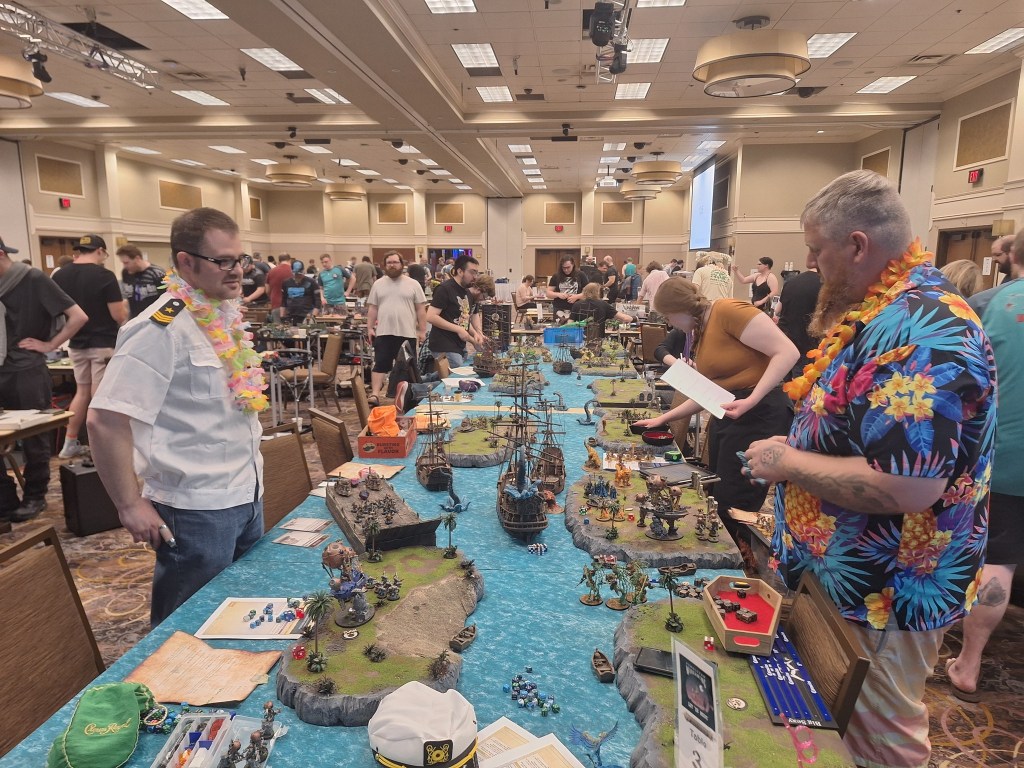
A: Squig City currently features both our Annual Grand Tournament for Warhammer: 40,000 as well as our annual Age of Sigmar Grand Narrative event. Each event runs concurrently, and this year between the two game systems, we had 112 players in attendance! We have players who travel up to 7 or 8 hours to join us in Eastern Oregon for our events, and through our social media and discord presence, more and more folks learn about Squig City each year. For me, the narrative is the heart of the event each year, and so we aim to ensure that our players have the opportunity to play in the same room as the 40K GT, and to even have some of their matches featured on the mainstage!
Q: How did your organized narrative events start, and how much help did you get putting them together? We would like to know how much it has changed over time.
A: Our event started as an escalation campaign for Age of Sigmar back in 3rd Edition, as we followed the General’s Handbook across the Realm of Beasts, first in Thondia, and next in Gallet. These campaigns were relatively easy to host through a discord server, where players were assigned matches and would then coordinate to meet and play, either at a local game store, and so there wasn’t much needed logistically to make these events happen. If you are interested in trying out organizing and have a local store that will work with you to provide a space and tables to play, I’d highly recommend getting started this way! This is an affordable way to begin practicing skills like matchmaking, record keeping, time management, delegation, and communication, all required to be an effective event organizer. This is also a great format to introduce your community to narrative play.


Q: Making terrain is a lot of work, and can be expensive. How much did you rely on teamwork or loaned terrain to build up all the tables needed to run this event?
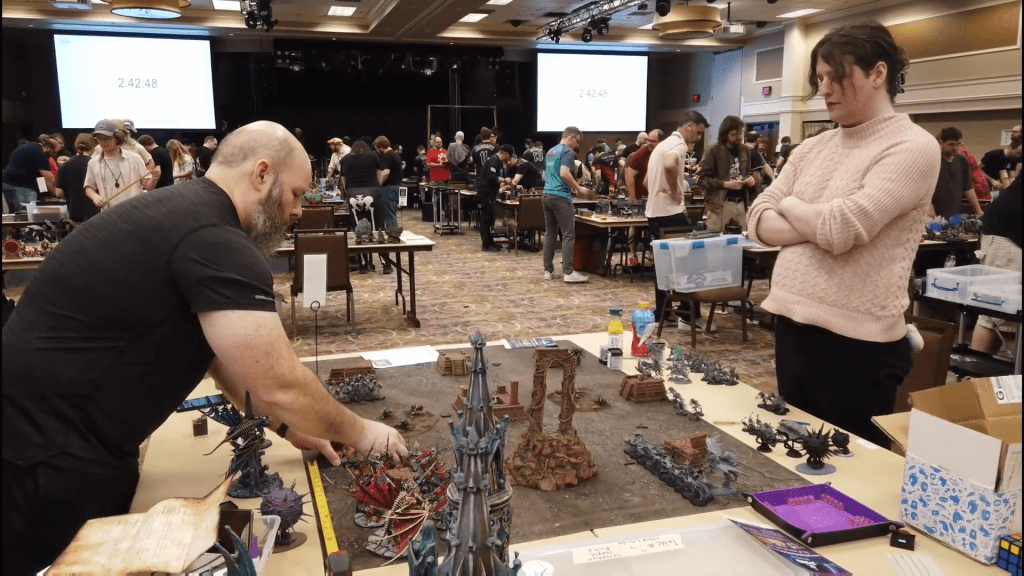
A: When you reach a point where you are now starting to plan an event that will bring enough folks together to play, terrain and mats are going to become a factor that needs to be addressed. The biggest lesson that I can share from my experience growing our community’s collection is: Terrain making is not a one-person job. For me, terrain making and painting has become the primary way in which I engage with the hobby and it is something that I genuinely love to do. But any TO can tell you that it’s not quite as fun when you are staring down dozens of sets of terrain with a deadline fast approaching.

The key thing here is this: don’t feel like you are alone in the process of creating or procuring the things needed by the community to put on events. Whether it is the local players at your store/ in your town, or even other clubs or communities in your region, there are players and organizers who are there to help. It is very common to see events that are planned and hosted by one club or organization, but that are supported logistically by one or more nearby gaming clubs who brought the additional mats/terrain etc needed for the event to happen. This benefits everybody as it means the event is a success and everyone had a great time.


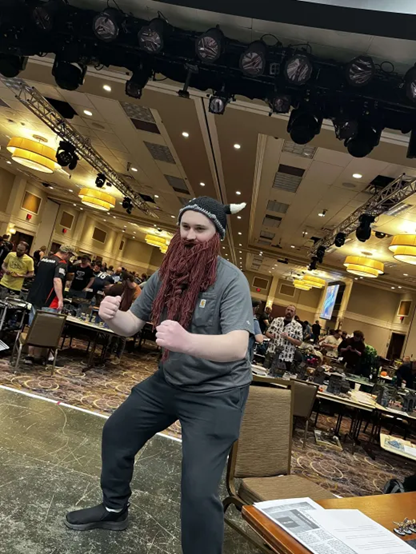

In order to build or to join a network of players who support each other this way, my advice is to travel to participate in other clubs’ events. Show them that you are a team player. Offer to arrive early to help with setup, or stay late with cleaning up. Connect with the greater community and get involved, and then when the time comes and you ask for help while planning your next event, those players will have your back, and volunteer to bring what you need. And then remember that over time, as your collection continues to grow, check in with other organizers in your area. See how they are doing, and if there is anything you can do to help with their upcoming events.

Q: You had mentioned the venue you use for your events in the past as a big support, explain a bit how that partnership started and how one can best manage that.
A: When starting to seriously consider hosting an event that is going to be larger than can be hosted by your local game store, it can feel very daunting to reach out to venues that are unfamiliar with our hobby and community. I think that it is important when first making contact with the owner/operator of a venue to be self-confident in your abilities to be a successful host, but also accommodating to their needs/interests. Provide a quick explanation of the tabletop gaming you plan on hosting, give an estimate on the number of attendees you are hoping for, and then I strongly recommend asking them how you as the event host can best support the venue.
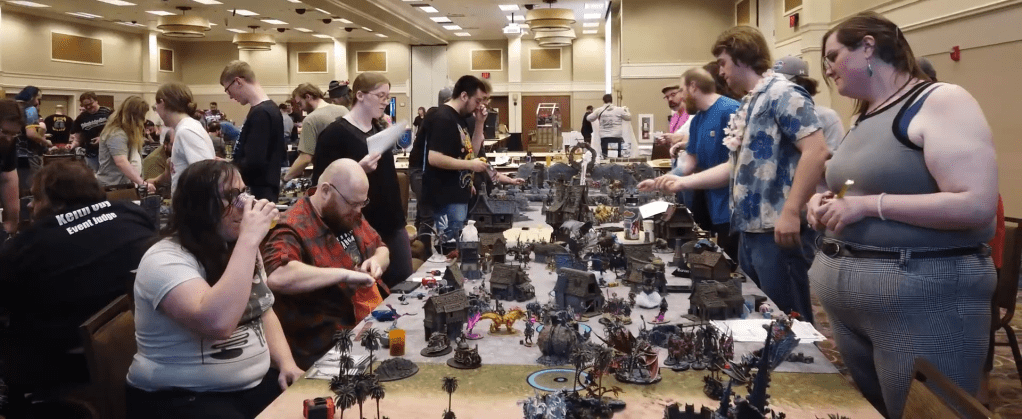
Outside of the fees that they are collecting in order to host the event, are there any other ways that you can make your event profitable or beneficial for the venue? Is it a new venue that needs more social media content to help promote their space for more bookings? Do they have food/beverages sold on site?
If you establish at the beginning of that partnership that you are actively looking for ways to make their experience with your event more beneficial, this will pay dividends down the road, as they will now be more likely to make sure you’re booked for the same weekend each year, or have access to more of the facility, more support from the staff, etc. Our venue knows that we actively encourage our players to stay at the attached resort rooms, and to spend their lunch/dinners at the venue, to help ensure that the resort is making additional income from hosting us.

Last but certainly not least, work diligently to make sure that the venue staff are all treated by the players with respect and gratitude. The venue provides us with beverage runners who bring players their drinks straight to their tables mid match, and these staff have explained to our team of TO’s that we are one of their favorite events to work each year. Setting that standard amongst our players allows us to benefit from that extra service from our venue, at no additional charge to our event team, and is a great example of how a symbiotic partnership with the host site can be a win-win for everybody.
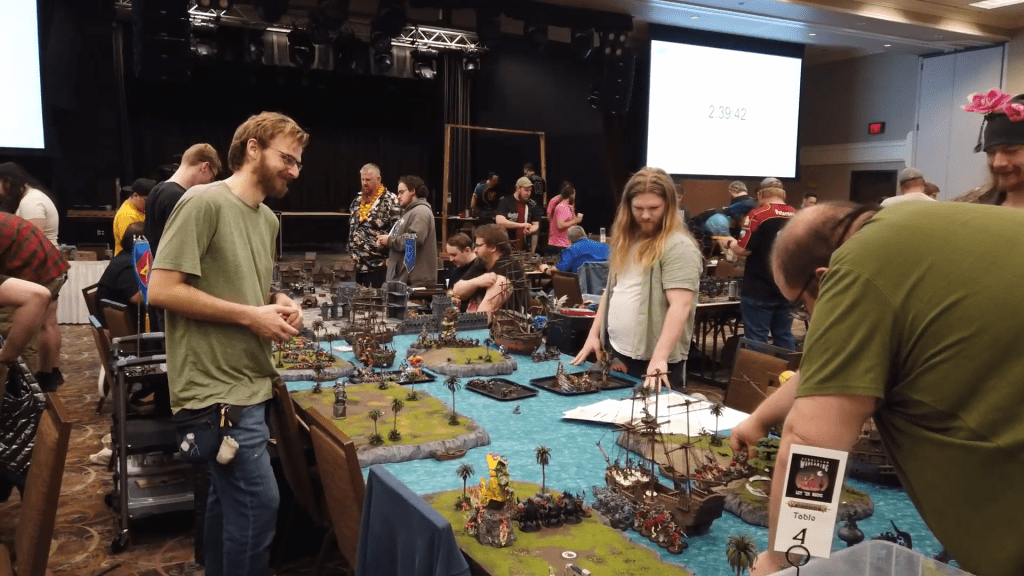
Q: You secured sponsorships for the con, which I’m sure players noticed and appreciated. Tell us more how you went about it, and what best advice you can give other players.
A: The examples above of thinking creatively to develop a mutual partnership are doubly important with event sponsors, especially if it is a sponsor who you are primarily communicating with online.

When the only way that a sponsor interacts with you as a potential partner is over email/ via a screen, it is naturally a bit harder to build rapport, or to establish credibility, and that is made harder if this is your first event, as there’s no pictures or other prior examples to fall back on.
When making that first contact with a new potential sponsor, I explain at the top of the message that our team is interested in partnering together. I avoid asking for a specific item or product at this stage, opting instead to first ask them how us as event organizers can support them and their organization. Bonus points if you can be creative here and come up with unique ideas they may not have heard of before! (I’ll share a free one here with you all: Offer to include their organization’s logo on some billboard terrain pieces! That’s a fun and unique thing that you can share on their social media that will grab peoples’ attention.)

After a sponsor agrees to work with you, here’s where you can start to discuss things like prize support, etc. A great starting point is to ask if they have a standard package they provide, based off the estimated size of your event. This will help ensure that you aren’t asking for anything too steep, and will have a clear roadmap of where your partnership with them can lead as you continue to grow.
The last thing to mention is that once a partnership is well established, is to maintain regular communication with that organization. Give them plenty of notice when you next plan an event. Check in to see if they are still open to partnering for an event, rather than just assuming that they will send stuff each year. Ask if there is anything else you can help with throughout the year to promote their brand. This will make sure you have a good relationship, and won’t have to ever worry about being seen as solely transactional but as a reliable partner.
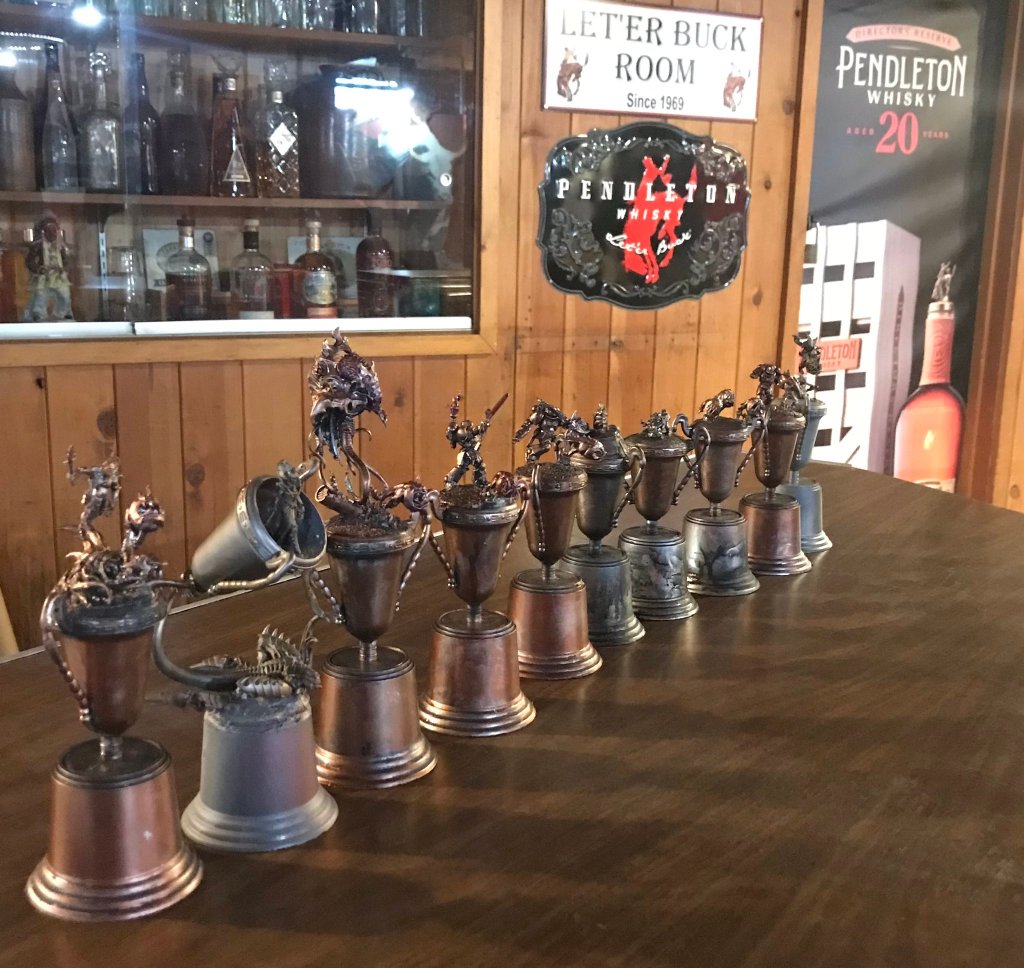
Thank you, Ethan!
We look forward to seeing more of your work, and how much Squig City will grow in the coming years!
You can check out Ethan’s event recap from Squig City 2025’s “Tides of War” naval Aos narrative event!
 Narrative Event Organizer Network